
“The Lord seeth not as man seeth; for man looketh on the outward appearance, but the Lord looketh on the heart.” (1 Samuel 16:7)
In 1859, a young patent clerk named Edwin Drake drilled the world’s first commercial oil well in Titusville, Pennsylvania. Locals called him “Crazy Drake” because he invested everything in a substance people literally burned to get rid of. Farmers cursed when black sludge contaminated their water. Drake saw what others missed: the world was about to need fuel for a coming industrial age. He died in poverty, ridiculed by those who later became millionaires from the same ground they once considered worthless.
We measure worth by what we can see, weigh, and count. God measures by what we overlook. The readings for today reveal how often we stand in the presence of something extraordinary and miss it entirely because we trust our own assessment of what matters.
God Sees the Heart When We See Only the Resume (1 Samuel 16:1-13)
Samuel arrived at Jesse’s house with clear instructions from God, yet when Eliab stood before him—tall, strong, impressive—the prophet jumped to conclusions. Here stood someone who looked like a king. God had to redirect Samuel seven times. The eighth son, the one keeping sheep, seemed too young, too inexperienced, too unlikely. David’s own father forgot to bring him in from the fields. Yet God looked past the resume to the heart and found the shepherd who would become the standard by which every future king of Israel would be measured. The Spirit came upon David that day, confirming what the outward appearance concealed: here stood the Lord’s anointed.
The Shepherd Knows the Sheep’s Total Dependence (Psalm 23)
David wrote Psalm 23 as someone who understood both sides of the relationship. He led sheep through valleys and to water. He knew their complete dependence on his voice, his rod, his staff. When he wrote “The Lord is my shepherd,” he spoke from the same posture of dependence he once saw in his flock. The sheep follow where they cannot see the path ahead. They drink from waters they did not find themselves. They lie down in pastures the shepherd selects. The psalm reads like a confession of blindness—a joyful acknowledgment that walking by sight would lead to disaster. The shepherd king learned to follow before he learned to lead.
The Man Born Blind Sees Who Jesus Really Is (John 9:1-41)
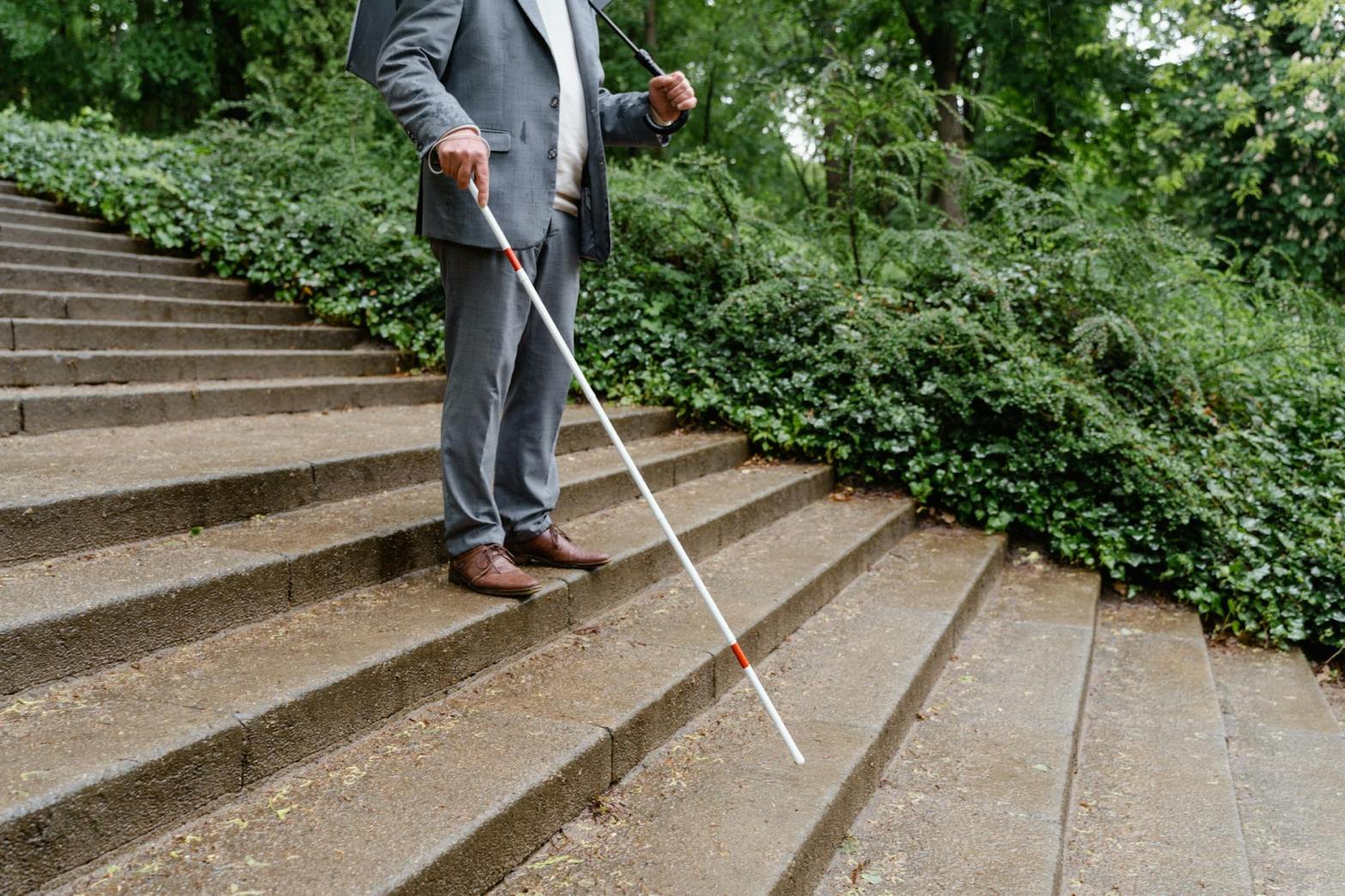
John’s account unfolds like a courtroom drama where everyone testifies about sight and blindness. The disciples wanted a theological explanation for suffering. The Pharisees wanted to protect their Sabbath regulations. The parents wanted to avoid trouble. The formerly blind man simply wanted to understand who had healed him. As the chapter progresses, his clarity increases while everyone else’s vision deteriorates. He moves from calling Jesus “a man” to “a prophet” to worshiping him as Lord. Meanwhile, the religious experts—who claimed to see the Law clearly, who boasted of their knowledge of Moses—missed the One standing right in front of them. Jesus made the distinction clear: those who claim to see remain in their darkness, while those who acknowledge their blindness receive sight.
Wake Up and Walk in the Light You’ve Been Given (Ephesians 5:8-14)
Paul’s letter to the Ephesians announces the same reality to a pagan city once devoted to Artemis worship. The church in Ephesus had walked in darkness, following gods who could neither see nor speak nor save. Now Christ had given them light. Paul’s command cuts through any spiritual fog: “Awake, arise from the dead, and Christ will give you light.” This same pattern appears throughout our readings. Samuel awoke to what God actually wanted. David arose from the fields to receive his anointing. The blind man arose, washed, and returned seeing. The resurrection happens first in our willingness to admit we’ve been walking in darkness.
Living as Children of Light
Jesus reveals himself to those who acknowledge their need for him. The application flows directly from the pattern: we learn to see by admitting we’ve been blind. We learn to follow by confessing our dependence. We learn to lead by first being led.
This week, ask God to show you what you’ve been measuring by outward appearance. Where have you trusted your own sight instead of following the Shepherd’s voice? Who have you dismissed because they look too young, too inexperienced, too unlikely? What claim to spiritual sight keeps you from seeing Christ more clearly?
The blind man experienced complete healing because he knew he needed it. The Pharisees remained in darkness because they claimed to see already. Walk as children of light by acknowledging that Christ is the light. Follow the Shepherd’s voice even when you cannot see where the path leads. Trust that God sees what you miss.
Points to Ponder
- Samuel saw seven sons before God showed him the eighth. What makes you jump to conclusions about who God can use?
- Psalm 23 describes total dependence on the Shepherd. Where do you insist on walking by sight instead of faith?
- The blind man’s sight increased as he testified about Jesus. How does talking about what Christ has done for you sharpen your own understanding?
- The Pharisees condemned themselves by claiming to see. What spiritual knowledge do you use as a credential rather than as a gift?
- Paul calls believers to “wake up.” What spiritual drowsiness has dulled your ability to walk in light?
Prayer
Lord, you see what we overlook. You choose what we dismiss. You anoint those we forget to invite. Give us eyes to see as you see—to look past the outward appearance to the heart. Make us like David, who learned to shepherd because he first learned to follow. Make us like the man born blind, who confessed his need and received his sight. Make us like the Ephesian believers, who woke from death to walk in light. We claim no sight of our own. We follow your voice alone. Show us Christ, that we might worship him as Lord. In Jesus’ name, Amen.
“And Jesus said unto him, Thou hast both seen him, and it is he that talketh with thee. And he said, Lord, I believe. And he worshipped him.” (John 9:37-38)
 Josh Cehulik