
“Give unto the LORD the glory due unto his name; worship the LORD in the beauty of holiness.” – Psalm 29:2
Every January, people flood gyms, start new diets, set career goals, and promise themselves that this will be the year everything changes. According to research, approximately 80% of New Year’s resolutions fail by February. The self-help industry generates billions of dollars annually from our collective hunger for satisfaction, yet the same goals reappear on our lists year after year. We want to find delight, purpose, and meaning—and we chase it with renewed energy each time the calendar resets.
The pattern reveals something important about human longing. We keep searching because the things we pursue keep disappointing. Fitness apps promise transformation, career advancement offers fulfillment, relationship goals guarantee happiness, and productivity systems pledge meaningful days. By mid-February, most of us discover what we suspected all along: these things can’t bear the weight of our deepest desires. The cycle repeats because we continue looking for delight in places that cannot sustain it. The Scripture offers a different pattern—one that directs our search toward the only source of satisfaction that endures year after year.
Psalm 29: The Universal Summons
The Psalmist issues an unqualified call: “Give unto the LORD glory and strength.” Seven times the voice of the LORD thunders through creation—breaking cedars, shaking wilderness, revealing His sovereignty over chaos. This psalm summons all people to worship, but leaves us with a crucial question: where exactly does this glory-worthy God focus His ultimate delight? The call to worship rings clear, but the full object of that worship awaits further revelation. The psalm prepares us to receive what the prophets will specify.
Isaiah 42:1-9: The Prophetic Specification
Isaiah answers the question. God declares, “Behold my servant, whom I uphold; mine elect, in whom my soul delighteth.” The unqualified call to worship now receives prophetic precision. God identifies the specific person who embodies His pleasure. This Servant will bring justice to the nations, open blind eyes, and liberate prisoners—all while demonstrating gentleness that refuses to break bruised reeds or snuff out smoldering wicks. The Father reveals where His affection rests: upon His chosen One, anointed by the Spirit. What the psalm summoned us toward, Isaiah now specifies.
Matthew 3:13-17: The Trinitarian Authentication
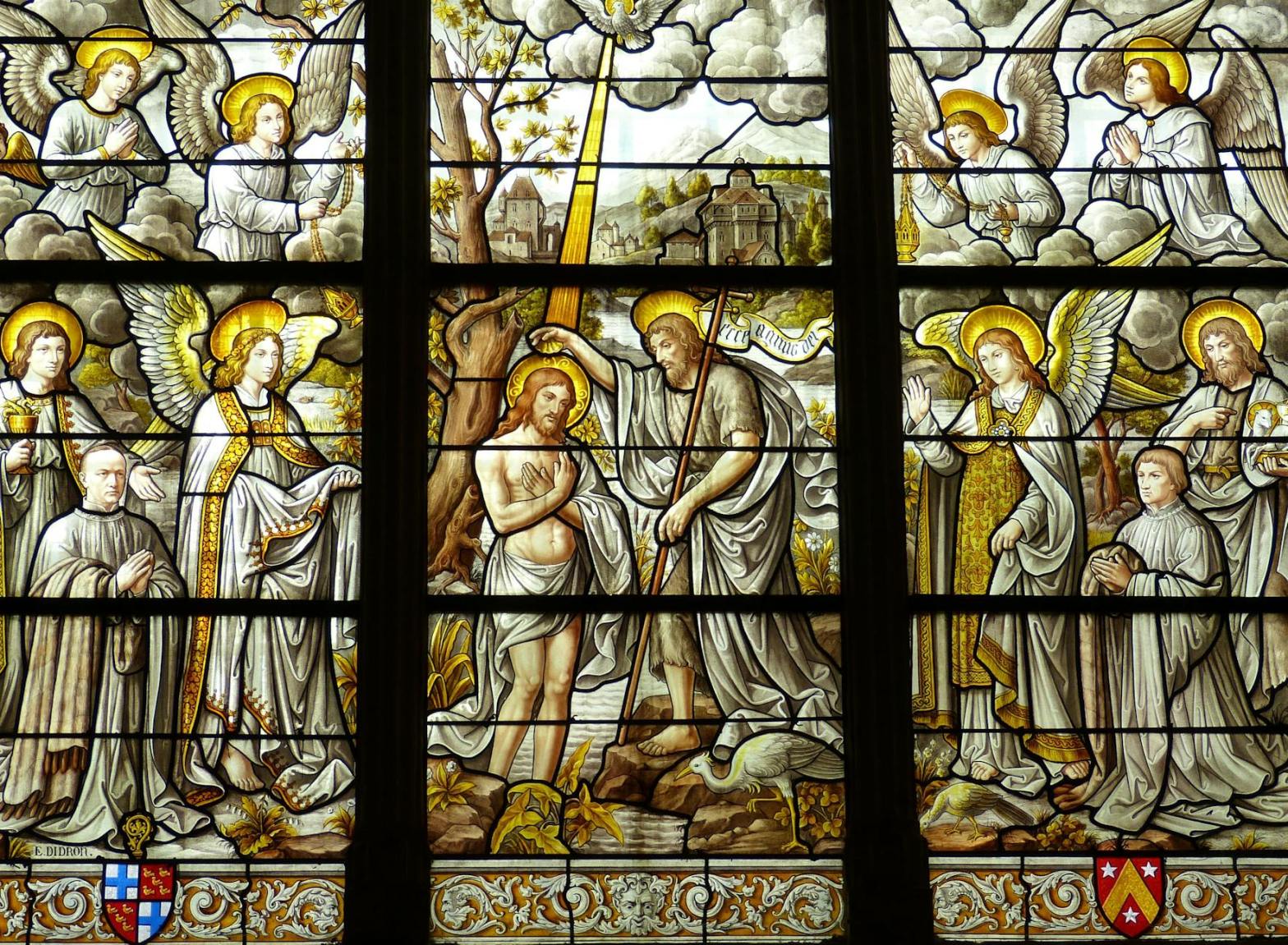
Centuries later, John baptizes in the Jordan River, and Jesus arrives to fulfill this prophetic expectation. As Jesus emerges from the water, the heavens open, the Spirit descends like a dove, and the Father speaks: “This is my beloved Son, in whom I am well pleased.” The verbal echo of Isaiah 42:1 rings unmistakable. Jesus receives trinitarian authentication as the Servant Isaiah prophesied. The Father’s voice cuts through history’s noise to identify where divine pleasure dwells. The Spirit’s visible descent confirms the anointing. The object of worship stands before us, authenticated by heaven itself.
Acts 10:34-43: The Gospel Proclamation and Commission
Peter preaches to Cornelius and declares the full scope of Jesus’s work. The authenticated Servant “went about doing good, and healing all that were oppressed of the devil; for God was with him.” The one anointed at baptism completed His mission through death and resurrection. Peter testifies that this same Jesus stands ordained as Judge of the living and the dead, and that forgiveness of sins comes through His name alone. The progression completes: from universal summons to prophetic specification to historical authentication to apostolic proclamation. Those who discover where the Father finds delight become witnesses, carrying this gospel to all nations.
Living Into This Pattern
This worship cycle shapes how we begin another year. While culture offers endless options for finding satisfaction—better bodies, bigger paychecks, perfect relationships, optimal productivity—we return to the source of delight that sustains year after year. The Father’s pleasure in Christ remains constant while New Year’s resolutions fade by February.
Worshiping the Son means aligning our affections with the Father’s own. When we give glory to the LORD (Psalm 29), we direct that worship toward the One in whom God delights (Isaiah 42). The Spirit who descended at Jesus’s baptism testifies within us that this Jesus offers what our restless hearts actually seek. Following Him means embodying His gentle justice—healing the oppressed, opening blind eyes, proclaiming good news to those held captive by lesser delights.
The question persists: where will you find delight this year? The answer echoes from baptismal waters: in Christ alone.
Points to Ponder
- What promises of satisfaction compete for your affection this January?
- How does the Father’s voice at Jesus’s baptism reorient your search for delight?
- Where might Christ call you to embody His gentle justice in your community?
- What would it look like to worship “year after year” rather than chase seasonal promises?
Prayer
Father, You declare Your pleasure in Your beloved Son. Train our affections to delight where You delight. As another year begins and culture offers countless substitutes for satisfaction, anchor our hearts in Christ. By Your Spirit, form us into people who worship the Son faithfully, embody His gentle justice courageously, and testify to His worth consistently. Make us witnesses to the One in whom true delight dwells. Through Jesus Christ our Lord. Amen.
“This is my beloved Son, in whom I am well pleased.” – Matthew 3:17
 Josh Cehulik