
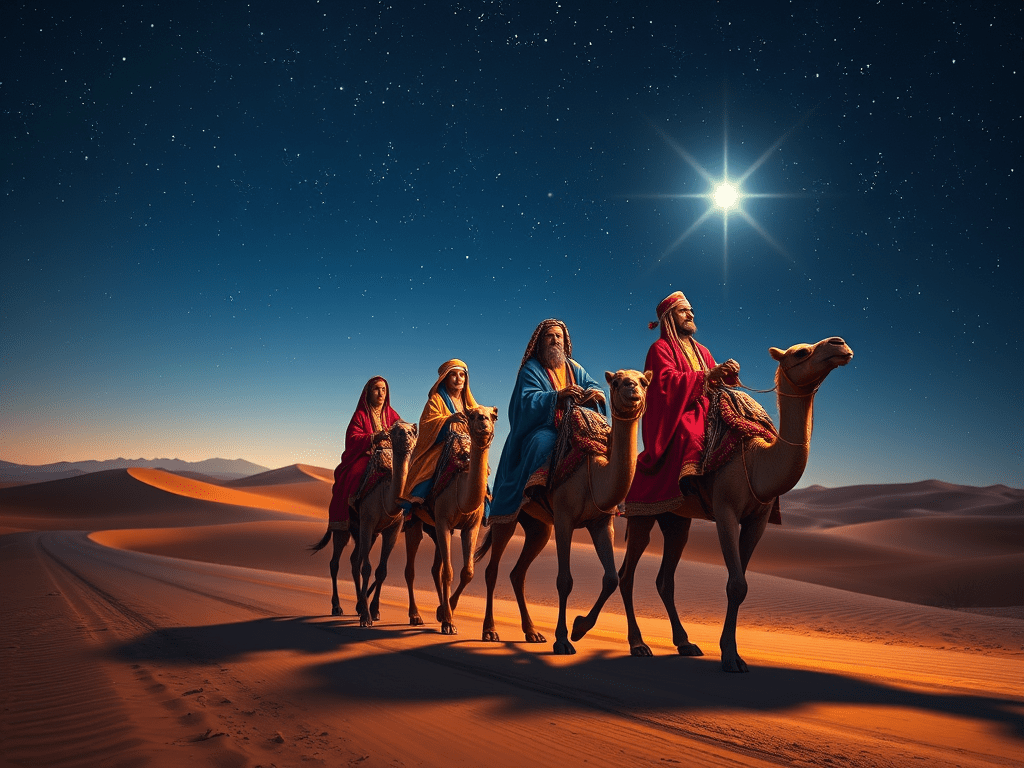
“And an highway shall be there, and a way, and it shall be called The way of holiness… the redeemed shall walk there: And the ransomed of the LORD shall return, and come to Zion with songs and everlasting joy upon their heads.” — Isaiah 35:8-10
The Road Already Open
In the winter of 1942, thousands of soldiers and engineers began cutting a highway through 1,500 miles of Canadian wilderness and Alaskan tundra. Two crews worked simultaneously from opposite ends, racing to meet in the middle. The remarkable thing about the Alaska Highway was this: vehicles began using sections of the road even while construction crews were still blasting through mountains ahead of them. Travelers drove on completed portions while hearing dynamite echo in the distance.
This captures something about our life as believers. We walk on a completed road while traveling toward a destination still coming into view. These passages from Psalms, Isaiah, Luke, Matthew, and James give us a map of this highway, showing us a God who conceives redemption, executes it in history, and invites us to walk the road that leads home.
Psalm 146: The Character of the Road-Builder
Before we walk the highway, we need to know who built it.
The psalmist begins with blessing: “Happy is he that hath the God of Jacob for his help, whose hope is in the LORD his God.” This God made heaven, earth, the sea, and everything in them. He keeps truth forever.
Then the psalm becomes specific. This God executes judgment for the oppressed, gives food to the hungry, looses prisoners, opens blind eyes, raises up those bowed down, loves the righteous, preserves strangers, relieves orphans and widows, and turns upside down the way of the wicked.
Watch the recipients: the oppressed, the hungry, prisoners, the blind, those bent low, strangers, orphans, widows. The margins matter to this God.
The psalm ends with a declaration: “The LORD shall reign for ever, even thy God, O Zion, unto all generations.”
This establishes the foundation for everything that follows. The God who builds highways through wilderness is the same God who opens blind eyes and feeds the hungry. The highway of holiness reflects the character of the one who made it. Praising God and caring for the oppressed belong to the same journey.
Isaiah 35: The Highway Prepared
Isaiah speaks to exiles in Babylon and describes a road that does not yet exist. This highway runs through wilderness, and the wilderness itself transforms. Deserts bloom. Waters break out in parched ground. The blind see, the deaf hear, the lame leap, the mute sing.
The psalmist sang about God opening blind eyes. Isaiah prophesies the same actions, now in the context of a highway leading God’s people home.
The way of holiness comes to us through conditions where no way should be. We do not carve our own path to God. He builds the road to us, right through our wilderness. Lions vanish from this path. Even inexperienced travelers will find their way because God has made the road clear.
Isaiah speaks to people who need strengthening: “Strengthen ye the weak hands, and confirm the feeble knees. Say to them that are of a fearful heart, Be strong, fear not: behold, your God will come with vengeance, even God with a recompence; he will come and save you.”
God creates this highway specifically for “the redeemed” and “the ransomed.” These terms assume rescue has already happened. The God who executes judgment for the oppressed now comes to save his oppressed people and lead them home.
Luke 1: The Song of the Highway
Mary’s Magnificat gives us the first song sung on this highway. She stands at the intersection of promise and fulfillment, carrying the Word made flesh in her womb.
Listen to her words: “He hath put down the mighty from their seats, and exalted them of low degree. He hath filled the hungry with good things; and the rich he hath sent empty away.”
Mary sings Psalm 146 in a new key. The God who relieves the fatherless and widow, who turns upside down the way of the wicked, acts now in her life. She recognizes that God’s redemption includes justice, reversal, mercy, and material provision. The highway Isaiah prophesied begins opening in her womb.
Mary’s song also shows us that worship precedes sight. She sings about God’s faithfulness while pregnant and unmarried in a culture that could stone her. The highway of holiness requires singing before you see the destination. She praises while the road still lies ahead, trusting the character of the God who builds it.
Matthew 11: The Highway in Person
When John the Baptist sends his disciples to ask Jesus, “Are you the one who should come, or do we look for another?” Jesus responds by quoting Isaiah: “The blind receive their sight, the lame walk, lepers are cleansed, the deaf hear, the dead are raised up, and the poor have the gospel preached to them.”
Jesus says, “Look at what Isaiah described. Watch it happen in front of you.”
The highway of holiness has a face. The way is a person. Jesus does what the road does. The Lord who opens blind eyes in the psalm appears in flesh in Jesus. The God who raises up those bowed down walks among the villages of Galilee. The one who feeds the hungry multiplies loaves and fishes. The child Mary carried now demonstrates that the highway has opened.
John stands at the threshold. Jesus tells the crowds that John is the greatest person ever born of women, yet the least person in the kingdom of heaven is greater than John. Why? Because John points to the highway while those who follow Jesus actually walk on it. We live on the other side of the inauguration.
James 5: Patience on the Highway
James writes to believers scattered by persecution. He tells them to be patient until the coming of the Lord, comparing them to farmers who wait for rain, to prophets who suffered while speaking truth.
Walking the highway of holiness looks like patient endurance. We live in the span between the road’s opening and the journey’s completion. James tells us to establish our hearts because “the coming of the Lord draws near.”
James also warns against grumbling against one another. Walking this highway together requires extending to fellow travelers the same mercy God extends to us.
The God who executes judgment for the oppressed will execute final judgment when Christ returns. The farmer waits for what he knows will come. We wait for the King who reigns forever, the completion of the highway, the arrival in Zion with songs and everlasting joy.
The mention of prophets connects back to Isaiah, who described a highway centuries before anyone walked it. We benefit from their faithful speaking. Their patience made our journey possible.
Walking as Worship
The highway of holiness stretches from Psalm 146 through Isaiah’s prophecy, breaks out in Mary’s song, becomes flesh in Jesus, and extends to our patient endurance.
Walk consciously this week. When you pray, remember you stand on a road God built. When you see someone hungry, remember the road runs through acts of mercy. When you face suffering, remember the prophets who walked this way before you and the Christ who pioneered it. When you feel impatient for Jesus to return, remember the farmer who waits for rain while tending his field.
And sing. Sing because Mary sang before she saw. Sing because you walk where Isaiah pointed and where Jesus walked. Sing because Mary’s prophecy comes true every time you see the proud scattered and the lowly lifted. Sing because the God who opens blind eyes has opened yours. Sing because the Lord reigns forever.
The road stretches behind you, completed by Christ. The road extends before you, leading to the King. Walk it with songs and everlasting joy upon your head.
Points to Ponder
- How does Psalm 146’s description of God’s character shape your understanding of walking the highway of holiness?
- Where do you see signs of the kingdom breaking into your life or community?
- Mary sang about social reversal. How does this shape your understanding of justice and mercy as acts of worship?
- What practices help you cultivate patient endurance while waiting for Christ’s return?
- How does understanding worship, justice, healing, and hope as integrated parts of walking the highway change your daily choices?
Prayer
Lord God, you execute judgment for the oppressed, give food to the hungry, loose prisoners, open blind eyes, and raise up those bowed down. You prepared a highway through our wilderness for the redeemed. Thank you for sending Christ as the road itself. Forgive us when we forget we travel on your completed work. Strengthen our weak hands and confirm our feeble knees. Help us walk with fellow travelers in mercy and patience. Give us eyes to see your kingdom breaking in around us. May we join Mary’s song, praising you for lifting up the lowly. May we follow James’ counsel, enduring with hope. May we worship as we walk, declaring that you reign forever. Bring us safely home to Zion with songs and everlasting joy upon our heads. Through Christ our Lord, who is the way, the truth, and the life. Amen.
“The LORD shall reign for ever, even thy God, O Zion, unto all generations. Praise ye the LORD.” — Psalm 146:10
 Josh Cehulik