
“And Jacob called the name of the place Peniel: for I have seen God face to face, and my life is preserved.” (Genesis 32:30)
A friend once told me she was exhausted from chasing spiritual experiences. She attended conferences, traveled to worship events, and constantly sought the next mountaintop moment with God. “I feel like I’m always searching,” she said, “but never really finding.” Then someone asked her a simple question: “When was the last time you spent an hour wrestling with a single passage of Scripture?”
The question stopped her cold. She had been looking for Peniel (face to face with God) moments everywhere except the most obvious place: God’s Word itself.
We live in a culture that treats worship as a product to consume, expecting it to arrive pre-packaged and emotionally satisfying with minimal effort. But Scripture tells a different story. Throughout the biblical witness, authentic worship emerges from wrestling with God and His Word. Jacob limped away from his encounter, marked forever. The faithful persist in prayer like the widow before the unjust judge. Those who love God’s law meditate on it day and night.
Wrestling with the Word produces worship because encounter costs something. When we engage God’s revelation seriously, when we persist through difficulty, when we continue even when understanding doesn’t come easily, we discover what the casual observer never finds: God meets us in the struggle itself.
Genesis 32:22-31: The Blessing Through the Struggle
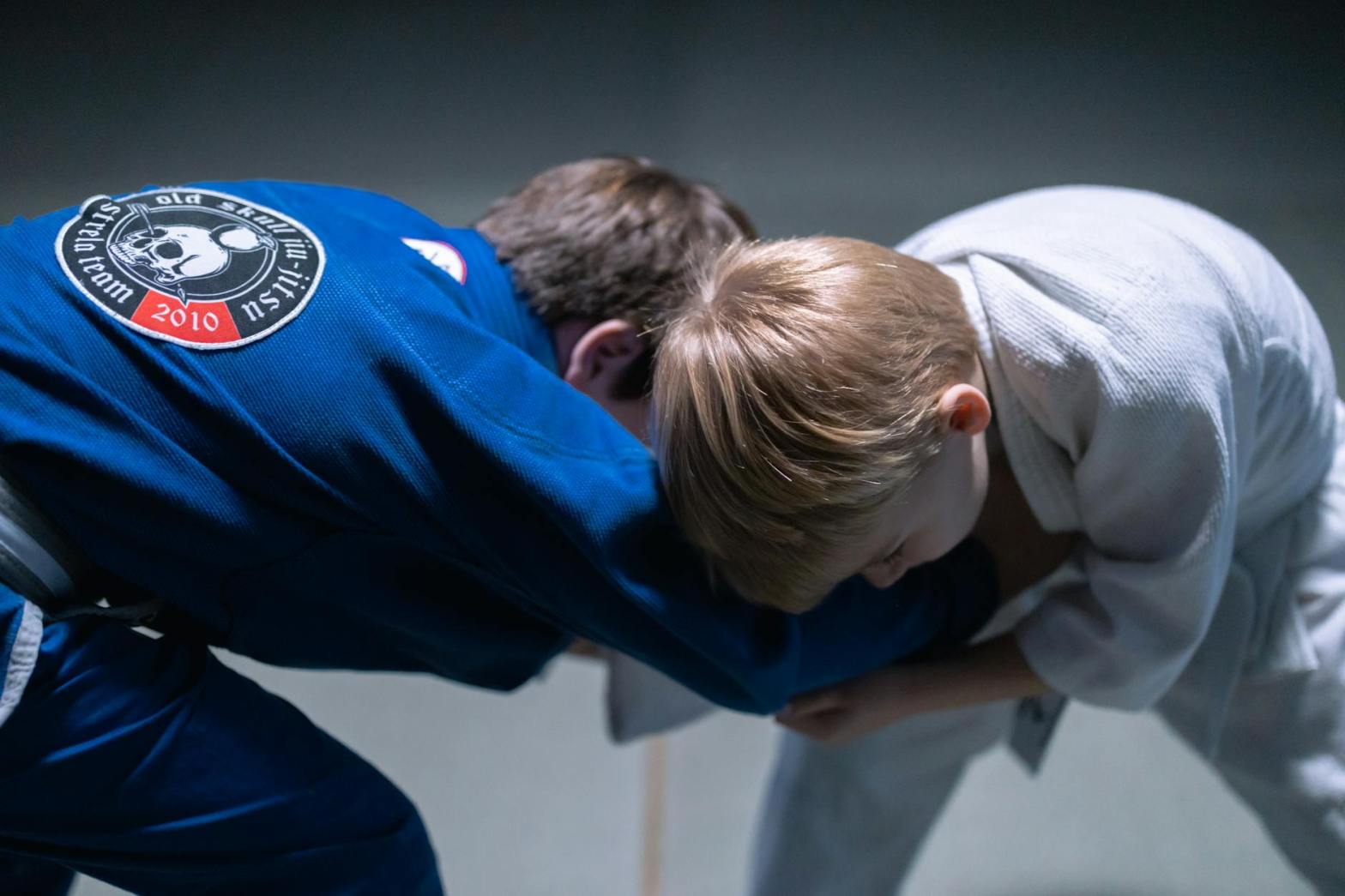
Jacob spent the night alone, wrestling with a figure who turned out to be God Himself. The patriarch fought until daybreak, refusing to release his opponent without a blessing. In the process, Jacob’s hip was dislocated. He received both a wound and a new identity: Israel, the one who prevails with God.
This is where worship begins. Not in comfort, but in honest struggle with God. Jacob held on with desperation. When morning came, he named the place Peniel because he had seen God face to face and lived. The wound in his hip became a permanent reminder. Every step testified to the night he wrestled with God and received a blessing.
Notice that Jacob’s worship came as a response to the struggle. He wrestled, was marked, and then named the place in recognition of what God had done. Real worship flows from real encounter, and real encounter often involves wrestling.
Psalm 119:97-104: Love Born from Meditation
“O how love I thy law! it is my meditation all the day” (v. 97). The psalmist makes an extraordinary claim. He has more understanding than his teachers, more wisdom than the ancients, because he keeps God’s precepts. He finds God’s words sweeter than honey.
This didn’t happen through casual Bible reading. The psalmist meditates day and night, wrestling with understanding. He restrains his feet from evil ways, specifically to keep God’s Word. The entire psalm forms an acrostic of the Hebrew alphabet, suggesting completeness and exhaustive engagement with God’s revelation.
Here we see how wrestling with Scripture produces worship. The psalmist doesn’t describe the law as a burden but as sweet. Why? Because he has done the work of meditation. You cannot love what you barely know. But when you meditate on God’s Word, when you struggle to understand and obey it, that engagement produces genuine love and worship.
Jeremiah 31:27-34: The Promise of Internalized Word
God promises a new covenant, different from the one given at Sinai. This time, He will write His law on their hearts rather than on tablets of stone. “They shall all know me, from the least of them unto the greatest of them, saith the Lord: for I will forgive their iniquity, and I will remember their sin no more” (v. 34).
This prophecy addresses a problem: external law produced external compliance at best, but couldn’t transform the heart. The new covenant promises what external wrestling couldn’t accomplish alone. God Himself would internalize His Word.
But the new covenant doesn’t abolish engagement with God’s Word. It transforms where that engagement happens. God’s people will wrestle with a law written on their hearts by the Spirit. The struggle moves inward, becomes personal, produces transformed lives. When God’s Word lives inside you through the Spirit, your whole life becomes a wrestling match that produces worship.
Luke 18:1-8: Persistence in Prayer
Jesus tells a parable to teach His disciples to pray and not lose heart. A widow persistently brings her case before an unjust judge who neither fears God nor respects people. Eventually he grants her request because she keeps coming.
If an unjust judge vindicates a persistent widow, how much more will God vindicate His elect who cry to Him day and night? Jesus promises God will answer speedily, then asks a haunting question: “When the Son of man cometh, shall he find faith on the earth?” (v. 8).
This parable reveals that faith itself involves wrestling. The widow didn’t pray once and receive immediate vindication. She kept coming. Persistence in prayer is a form of wrestling with God, refusing to give up. The question at the end challenges us: Will we maintain this wrestling faith until Christ returns?
2 Timothy 3:14-4:5: Continuing in the Word
Paul charges Timothy to continue in what he has learned, reminding him that Scripture makes us wise for salvation through faith in Christ Jesus and equips us for every good work. Paul warns that people will reject sound teaching and gather teachers who tell them what they want to hear.
In this context, Paul calls Timothy to preach the Word, to stay at it in season and out of season, to endure afflictions, to complete his ministry. This is the New Testament version of wrestling with the Word. Timothy must hold fast to Scripture when people want entertainment instead of truth, wrestling with the temptation to soften the message.
Notice what produces worship here: continuing in the Word despite opposition. This persistence in biblical fidelity is itself an act of worship, and it produces congregations who truly worship God rather than their own preferences.
Psalm 121: The Song of Those Who Will Prevail
“I will lift up mine eyes unto the hills, from whence cometh my help” (v. 1). After all the wrestling, after Jacob’s hip was dislocated, after meditating day and night, after crying out persistently, after continuing through opposition, we arrive here. This is the song of those who have wrestled and now rest in confident faith.
The Lord neither slumbers nor sleeps. He keeps His people coming and going, now and forevermore. The sun will not strike by day, nor the moon by night. This is complete trust in God’s preservation.
But understand what produces this confidence. This isn’t naive optimism from someone who has never struggled. This is hard-won faith from pilgrims who sang while traveling dangerous roads to Jerusalem, who lifted their eyes to hills that might hide bandits, who experienced God’s faithfulness through real trials.
Wrestling with the Word produces this kind of worship. When you’ve held on like Jacob and received a blessing, when you’ve meditated until God’s Word became sweet, when you’ve persisted in prayer like the widow, when you’ve continued like Timothy despite opposition, then you can sing Psalm 121 with authenticity. You know from experience that God neither slumbers nor sleeps. You trust His preservation because you’ve been preserved through the wrestling.
This psalm is the worship that emerges on the other side of struggle. This is what it looks like to prevail with God.
Conclusion: Jesus, the True Israel
These readings move toward a climax in Christ. Jesus is the true Israel who wrestled with temptation in the wilderness and prevailed. He is the perfect psalmist who loved God’s law and kept it flawlessly. He is the one in whom the new covenant promise finds fulfillment, for through His death and resurrection, the Spirit writes God’s law on our hearts. He is the persistent intercessor who cries day and night for His people. He is the living Word whom Timothy must faithfully proclaim. And He is the one who truly sings Psalm 121, whose help comes from the Lord, who is preserved through all things.
When we wrestle with God’s Word, we’re wrestling with Christ. When we meditate on Scripture, we’re learning Christ. When we persist in prayer, we’re following Christ’s example. When we continue in sound teaching despite opposition, we’re modeling Christ’s faithfulness.
Here is the application: Don’t expect easy worship. Expect to wrestle. Set aside time to meditate on Scripture, not just read it quickly. When you don’t understand, keep wrestling. When prayers seem unanswered, keep bringing them to God. When biblical teaching becomes unpopular, keep holding to it.
Jacob named that place Peniel because there he saw God face to face. He wasn’t looking for another such moment. He had discovered where God could be found. If you want daily Peniel moments, you don’t need to chase spiritual experiences or wait for special encounters. Open the Word. Wrestle with it. Meditate on it day and night. God meets those who seek Him there, and every morning can become Peniel when you come face to face with Him in Scripture.
Points to Ponder
- Where in your life are you avoiding struggle with God or His Word, hoping for easier spirituality?
- What passage of Scripture have you been skipping over because it seems too difficult to understand?
- How does the example of the persistent widow challenge your prayer life?
- In what ways might God be calling you to “continue” like Timothy when others are turning away?
- What would it look like to meditate on one verse all day, as the psalmist describes?
- How has God marked you through past wrestling matches with Him?
- Can you sing Psalm 121 with authenticity, based on your own experience of God’s faithfulness through struggle?
Prayer
Father, You are the God who neither slumbers nor sleeps, who keeps us going out and coming in. We confess that we often want easy worship, quick answers, simple faith. Teach us to wrestle with Your Word as Jacob wrestled with You. Write Your law on our hearts as You promised through Jeremiah. Give us persistence like the widow, that we might cry to You day and night and not lose heart.
Through Your Spirit, help us to meditate on Scripture and find it sweeter than honey. When understanding doesn’t come quickly, give us patience to keep wrestling. When others turn away from sound teaching, give us the courage to continue. When we’re wounded in the struggle, bless us through it.
Bring us through the wrestling to the place where we can lift our eyes with confidence, knowing that our help comes from You. Let us sing with authentic faith about Your preservation, not because we’ve avoided struggle, but because we’ve walked through it and found You faithful.
We ask this through Christ, the true Israel, who prevailed for us and now intercedes for us. Give us daily Peniel moments as we open Your Word and meet You face to face. Amen.
“I will lift up mine eyes unto the hills, from whence cometh my help. My help cometh from theLord, which made heaven and earth.” (Psalm 121:1-2)
 Josh Cehulik