
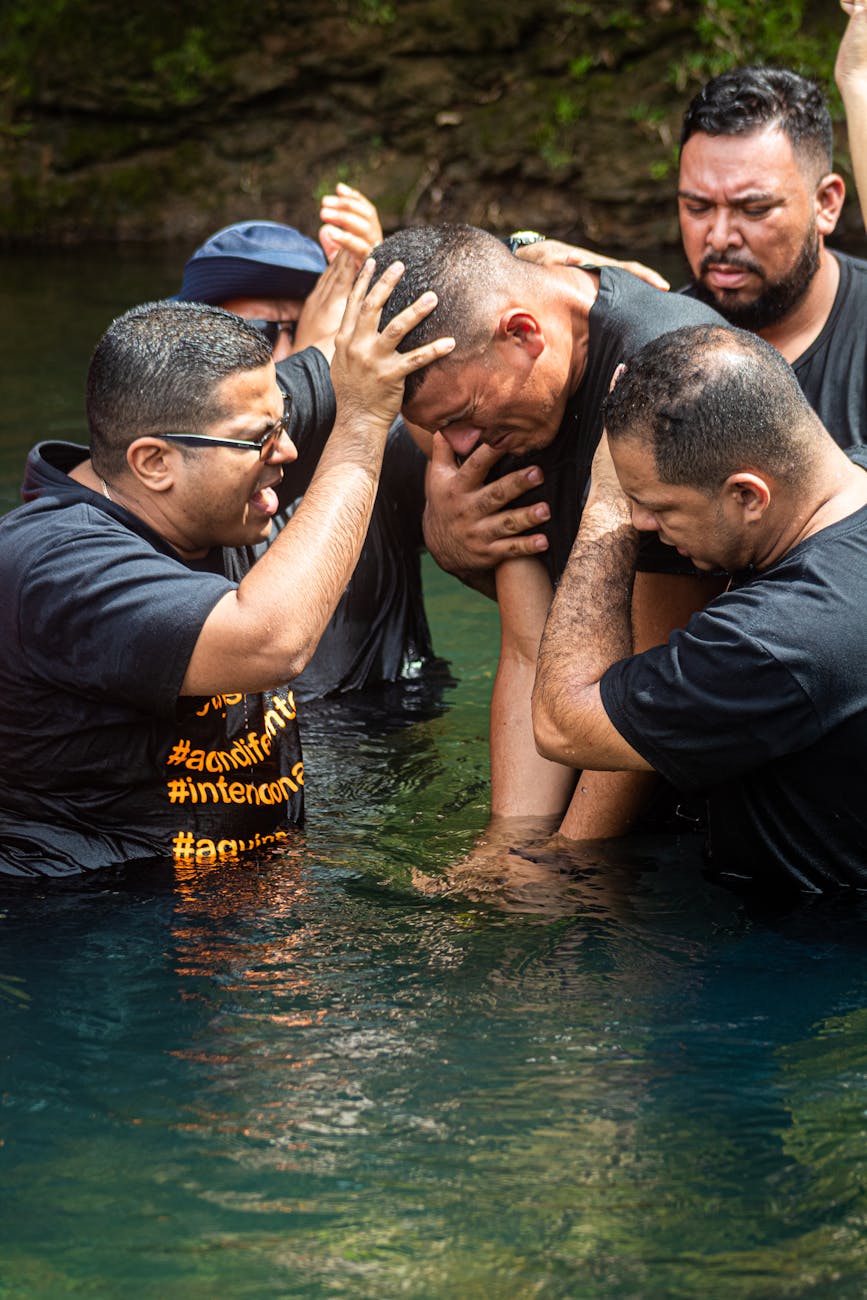
“Then went he down, and dipped himself seven times in Jordan, according to the saying of the man of God: and his flesh came again like unto the flesh of a little child, and he was clean. And he returned to the man of God, he and all his company, and came, and stood before him: and he said, Behold, now I know that there is no God in all the earth, but in Israel.” (2 Kings 5:14-15)
Have you ever noticed how hard it is to accept help on someone else’s terms?
A friend offers to help you move, but insists on doing it their way. Your spouse suggests a solution to your problem, but it’s not the solution you had in mind. A doctor prescribes treatment that seems too simple, too beneath you, too different from what you expected.
We want help, but we want it our way.
This tension sits at the heart of one of Scripture’s most striking healing stories. A powerful military commander, riddled with leprosy, travels to Israel seeking a cure. The prophet’s prescription? Go wash in the muddy Jordan River. Not the impressive rivers of Damascus. Not a dramatic ritual. Just wash in that ordinary water, seven times, and be clean.
The command seems almost insulting in its simplicity. Yet hidden in this simple act is a pattern that echoes through Scripture and into our own lives: God cleanses us on His terms, not ours. And when we receive that cleansing, something happens inside us. We can’t help but return, worship, and tell others what God has done.
This is the story of how grace received becomes gratitude expressed, and how gratitude expressed becomes witness shared.
Naaman: When Pride Meets the Jordan (2 Kings 5:1-3, 7-15)
Naaman had everything except the one thing that mattered. He was a decorated general, honored by his king, a man of valor who had brought military victories to Syria. But leprosy was slowly destroying him, and all his power couldn’t cure it.
The answer came from the least likely source: a young Israelite slave girl in his household. She knew about the prophet Elisha. So Naaman went, but he went expecting something impressive. When Elisha didn’t even come out to meet him, when the message was simply “Go wash in Jordan seven times,” Naaman was furious. The rivers of Damascus were better than this muddy Jordan. Surely the prophet would at least come out, wave his hand dramatically, call on the LORD’s name, and heal him properly.
His servants asked the right question: “If the prophet had asked you to do something difficult, wouldn’t you have done it? Why not this simple thing?”
Seven times Naaman went under the water. And when he came up the seventh time, his flesh was like a child’s flesh. Clean. Completely clean. But notice what happened next. He didn’t just go home satisfied. He returned to the man of God and made a declaration: “Now I know that there is no God in all the earth, but in Israel.”
The washing produced more than physical healing. It produced worship and testimony. The cleansing led to confession. The Syrian general who had been too proud to dip in Israel’s river now stood dripping wet, proclaiming Israel’s God as the only true God.
This is the pattern: God’s redemption comes on His terms, often through means that humble us. And when we receive it, we can’t keep quiet about it.
Tested and Brought Through (Psalm 66:1-12)
The psalmist calls all the earth to make a joyful noise to God, and then tells why. God’s works are fearsome. He turns seas into dry land. He rules by His power forever. But then the psalm takes an interesting turn.
“For thou, O God, hast proved us: thou hast tried us, as silver is tried. Thou broughtest us into the net; thou laidst affliction upon our loins. Thou hast caused men to ride over our heads; we went through fire and through water.”
This is the refining process. Like Naaman’s humiliation at having to wash in an inferior river, God’s people go through testing that feels like fire and water, like being trapped in a net, like being trampled. The psalm doesn’t sugarcoat the difficulty of the journey.
But here’s the connection: “But thou broughtest us out into a wealthy place.”
The water imagery links directly to Naaman’s story. Going through water is how God brings His people to cleansing and abundance. The Israelites went through the Red Sea on dry ground. Naaman went through the Jordan seven times. The testing isn’t arbitrary cruelty. It’s the path to life, the way God shapes us, the means by which He brings us from death to new life.
And what’s the result? Worship. The psalm begins and ends with calls to praise. Those who have been tested and brought through become the ones who make God’s praise heard. They’ve experienced His deliverance, so they testify to His faithfulness.
Faithful in Babylon (Jeremiah 29:1, 4-7)
Now we shift to God’s people in exile. They’re in Babylon because of their sin, surrounded by pagan worship, living in an unclean land. You’d expect God to say: “Stay separate. Don’t get contaminated. Just wait for rescue.”
Instead, God says something startling: Build houses. Plant gardens. Raise families. And then this: “Seek the peace of the city where I have caused you to be carried away captives, and pray unto the LORD for it: for in the peace thereof shall ye have peace.”
This is clean living in an unclean place. Geographic or cultural uncleanness doesn’t exempt you from covenant faithfulness. The cleansed people carry God’s presence even into Babylon.
Think about the pattern we’ve seen. Naaman was cleansed and returned to testify. The psalmist was tested and brought through to worship. Now the exiles are called to live faithfully and seek the welfare of their captors. This is witness in action. This is what the cleansed community does: they bless even the unclean places where God has placed them.
Jeremiah’s message anticipates what Jesus will later make explicit: the kingdom of God spreads not through conquest or isolation, but through faithful presence. The exiles in Babylon, living clean covenant lives and praying for their enemies, are modeling what it means to be light in darkness, to be agents of blessing in cursed spaces.
Their very presence is testimony. Their faithfulness is evangelism.
Ten Cleansed, One Returns (Luke 17:11-19)
Jesus is passing through Samaria and Galilee when ten lepers meet him. They stand at a distance (as the law required) and cry out: “Jesus, Master, have mercy on us.”
Jesus doesn’t touch them. He doesn’t say a dramatic word of healing. He simply tells them: “Go shew yourselves unto the priests.” This was the Levitical requirement for lepers who had been cleansed, to verify their healing and allow them back into the community.
And as they went, they were cleansed. All ten. While they were still walking, while they were acting in faith on Jesus’ word, the leprosy left them.
But only one turned back. Only one, when he saw he was healed, returned with a loud voice glorifying God. He fell at Jesus’ feet giving thanks. And he was a Samaritan.
Jesus asked: “Were there not ten cleansed? but where are the nine? There are not found that returned to give glory to God, save this stranger.”
Then He said to the Samaritan: “Arise, go thy way: thy faith hath made thee whole.”
Here’s the fulfillment of everything we’ve been tracking. Jesus is the new Jordan. Where Naaman had to wash seven times, Jesus speaks and cleansing happens. Where Elisha sent a messenger, Jesus Himself is present. He’s passing through Samaria (unclean territory) healing lepers (the ultimate uncleanness), and the one who responds properly is a Samaritan (the ultimate outsider).
All ten received grace. All ten were physically cleansed. Jesus healed them all, not based on their response. But only one was “made whole.” Only one received the fullness of what was offered, because only one recognized what had happened and responded with worship.
This is the warning in the pattern. You can receive grace and still miss the point. You can be physically healed and still not be truly whole. The path from cleansing to wholeness runs through worship and gratitude.
The Samaritan did what Naaman did: he returned, he testified loudly, he fell down in worship. And like Naaman, he discovered that receiving cleansing and responding in worship are two parts of one movement. Grace received demands gratitude expressed. And gratitude expressed becomes witness that draws others into the cycle.
The Word That Cannot Be Bound (2 Timothy 2:8-15)
Paul writes from prison, but his focus isn’t on his chains. He’s thinking about the gospel and about those who will hear it through Timothy’s teaching.
“Remember that Jesus Christ of the seed of David was raised from the dead according to my gospel: Wherein I suffer trouble, as an evil doer, even unto bonds; but the word of God is not bound.”
Here’s the same pattern again. Paul has been cleansed by the gospel of Jesus Christ. He’s experienced resurrection life. And now, even in chains, even suffering as though he were a criminal, he’s focused on witness: “Therefore I endure all things for the elect’s sakes, that they may also obtain the salvation which is in Christ Jesus with eternal glory.”
Paul is living like the Babylonian exiles. He’s in an unclean place (prison, accused of evil), but he’s maintaining faithful witness. Why? So others can enter the cycle. So they too can be washed and made clean through the gospel.
And notice his instruction to Timothy: “Study to shew thyself approved unto God, a workman that needeth not to be ashamed, rightly dividing the word of truth.” Don’t get caught up in useless arguments. Focus on what matters: the gospel message that converts hearers.
This is the mission of the cleansed community. We’ve been washed, so now we’re workers in the harvest. We rightly handle the word not for academic debate but for the conversion of those who need to hear about the washing that makes clean. We’re students of the gospel so we can guide others through their own “wash and be clean” moment.
Paul is essentially saying: I’ve been cleansed by Jesus’ death and resurrection. Now I endure everything so others can experience the same cleansing. The word that washed me cannot be chained, even if I am.
The Song of the Cleansed (Psalm 111)
Now we come to Psalm 111, and everything comes together. This is the liturgical voice of those who have been washed and made clean.
“I will praise the LORD with my whole heart, in the assembly of the upright, and in the congregation.”
This is Naaman standing before Elisha with his whole household. This is the Samaritan leper falling at Jesus’ feet. This is the exiles in Babylon still gathering to worship. This is Paul in chains, still testifying. This is corporate worship, the cleansed community gathering to rehearse what God has done.
“The works of the LORD are great, sought out of all them that have pleasure therein.”
Those who have experienced cleansing delight in God’s redemptive acts. We study them (like Timothy rightly dividing the word) because we love what God has done. We seek them out not from duty but from joy.
“He hath made his wonderful works to be remembered.”
This is the testimony aspect. God’s works are meant to be retold. Each time Naaman tells his story, someone else might enter the Jordan. Each time the Samaritan’s loud praise is heard, someone else might seek Jesus. Each time we rehearse the gospel, another hearer might be converted.
“The LORD is gracious and full of compassion… He sent redemption unto his people: he hath commanded his covenant for ever.”
Here’s the theological heart. The cleansing flows from God’s character, not our merit. Jesus healed all ten lepers, not just the grateful one. God’s redemption is His initiative, His work, His covenant faithfulness. We contribute nothing except our uncleanness and our need.
“The fear of the LORD is the beginning of wisdom: a good understanding have all they that do his commandments: his praise endureth for ever.”
The psalm ends where it began: with worship. And notice the connection between fearing the LORD (proper worship response) and wisdom (right understanding). The Samaritan who returned gained something the nine didn’t. Naaman who confessed gained insight the king of Israel lacked. When we respond rightly to cleansing, we grow in understanding. Worship produces wisdom.
This is the song we’re invited to join. Psalm 111 isn’t just describing what happened to ancient Israelites. It’s the song of everyone who has ever been washed and made clean. It’s your song if you’ve experienced God’s grace. It’s the song of the church through all ages, rehearsing God’s redemptive works, testifying to His faithfulness, inviting others into the cycle.
Living as the Washed People
So what does this mean for us today?
First, recognize the pattern in your own life. You were unclean. You couldn’t fix yourself, no matter how impressive your credentials or how hard you tried. God provided cleansing through Jesus Christ, but it came on His terms, not yours. The cross looked foolish to the world, too simple, beneath the dignity of those who wanted something more impressive. But you went under the water of baptism (or you will), identifying with Christ’s death and resurrection, and you came up clean. Your flesh became like a child’s flesh. You were born again.
That’s the first movement: recognition of uncleanness, God’s redemptive act, cleansing received.
Second, ask yourself: have you returned to worship? Or are you like the nine who received healing but never came back? It’s possible to receive God’s grace and still not respond rightly. It’s possible to be a Christian who never really worships, never truly gives thanks, never falls at Jesus’ feet in gratitude. The nine weren’t condemned, but they missed the fullness of what was offered. They were cleansed but not made whole.
Take time this week to return. Fall down in worship. Rehearse what God has done for you. Thank Him specifically for your salvation. Don’t just acknowledge it, celebrate it. Make your voice loud in praise, like the Samaritan.
Third, live faithfully wherever God has placed you. You might feel like you’re in Babylon, surrounded by unclean culture, far from where you want to be. That’s not an excuse to disengage. It’s your mission field. Seek the peace of your city. Pray for your neighbors. Live such clean, faithful lives that people wonder where your hope comes from. Your presence as a cleansed person in an unclean space is itself a testimony.
Fourth, become a student of the gospel. Not for academic debates or to win arguments, but so you can rightly guide others through their own “wash and be clean” moment. When someone says they feel too dirty for God, too far gone, too broken, you can point them to Naaman: God cleanses on His terms, and His terms are grace. When someone wonders if their faith is real because they don’t feel changed, you can point them to the ten lepers: they were cleansed as they went, by faith, before they felt anything. When someone asks if their past disqualifies them, you can point them to the Samaritan: the ultimate outsider was the one Jesus commended.
Study so you can serve. Learn so you can lead others home.
Finally, join the song. Psalm 111 is waiting for your voice. The cleansed community gathers week by week to rehearse God’s works, to testify to His faithfulness, to invite others into the cycle. Don’t worship alone. Don’t try to maintain your faith in isolation. You need the assembly, the congregation, the gathered people who have also been washed and are also learning to say thank you.
This is how the cycle continues: washed people worship, worshiping people witness, and those who hear the witness enter the water themselves. Then they join the song, and the praise endures forever.
You are Naaman, standing dripping wet, confessing the true God. You are the Samaritan, falling at Jesus’ feet in loud gratitude. You are the exile in Babylon, living faithfully in an unclean place. You are the student of the word, learning to guide others home. You are the congregation singing Psalm 111, rehearsing what God has done.
You have been washed. Now be clean. Live clean. Worship loudly. Testify freely. And watch as others enter the water behind you.
Points to Ponder
- Where in your life are you resisting God’s method of cleansing because it seems too simple or beneath you? What would it look like to humble yourself and accept grace on His terms?
- Have you truly returned to worship after receiving God’s grace, or are you like the nine who were healed but never came back? What would it look like to “turn back with a loud voice glorifying God” this week?
- In what “Babylon” has God placed you? How can you seek the peace of that place while maintaining faithful witness? Who in your unclean context needs to see clean covenant living?
- Are you studying the gospel primarily for your own understanding or so you can guide others to cleansing? Who in your life needs to hear the “wash and be clean” message?
- How often do you rehearse God’s redemptive works in your own story? When was the last time you told someone what God has done for you?
- If Psalm 111 is the song of the cleansed community, are you singing it alone or with the congregation? How can you more fully join the gathered worship of God’s people?
Prayer
Father, we come like Naaman to the Jordan, like the ten lepers on the road, acknowledging that we cannot clean ourselves. We are covered in the leprosy of sin, and all our power, all our credentials, all our best efforts cannot cure us. Thank You that You provide cleansing on Your terms, through Jesus Christ. Thank You that while we were still sinners, Christ died for us. Thank You that the cross, foolish to the world, is the power of God to us who are being saved. Forgive us for the times we’ve received Your grace but failed to return in worship. Forgive us for being like the nine rather than the one. Help us to turn back, to fall at Jesus’ feet, to glorify You with loud voices and grateful hearts.
Give us the courage to live faithfully in the Babylons where You’ve placed us. Help us to be agents of Your peace, to pray for our cities, to seek the welfare even of those who oppose us. Make our lives such clear testimonies to Your cleansing power that others are drawn to ask about the hope within us. Make us students of Your word, not for debate but for conversion, not for knowledge but for service. Help us to rightly divide the truth so we can guide others to their own washing and cleansing. And gather us into the great congregation of the cleansed, the assembly of the upright, where we join our voices with all who have been made clean through the ages. Let our praise endure forever, echoing from generation to generation, until that day when every tongue confesses and every knee bows before the One who washed us and made us clean.
In Jesus’ name, who is both the Jordan and the One who commands us to wash, Amen.
“I will praise the LORD with my whole heart, in the assembly of the upright, and in the congregation. The works of the LORD are great, sought out of all them that have pleasure therein… He sent redemption unto his people: he hath commanded his covenant for ever: holy and reverend is his name.” (Psalm 111:1-2, 9)
 Josh Cehulik