
“But godliness with contentment is great gain. For we brought nothing into this world, and it is certain we can carry nothing out.” — 1 Timothy 6:6-7
Russell Conwell told a story about a Persian farmer named Ali Hafed who owned a large farm with orchards, grain fields, and gardens. He was wealthy and content until a visitor told him about the value of diamonds. Seeds of discontent took root in Ali Hafed’s heart. He sold his farm, left his family with a neighbor, and spent the rest of his life wandering from the Mountains of the Moon to Palestine to Europe, searching for diamonds. His money ran out. He died in rags and despair in Barcelona, Spain.
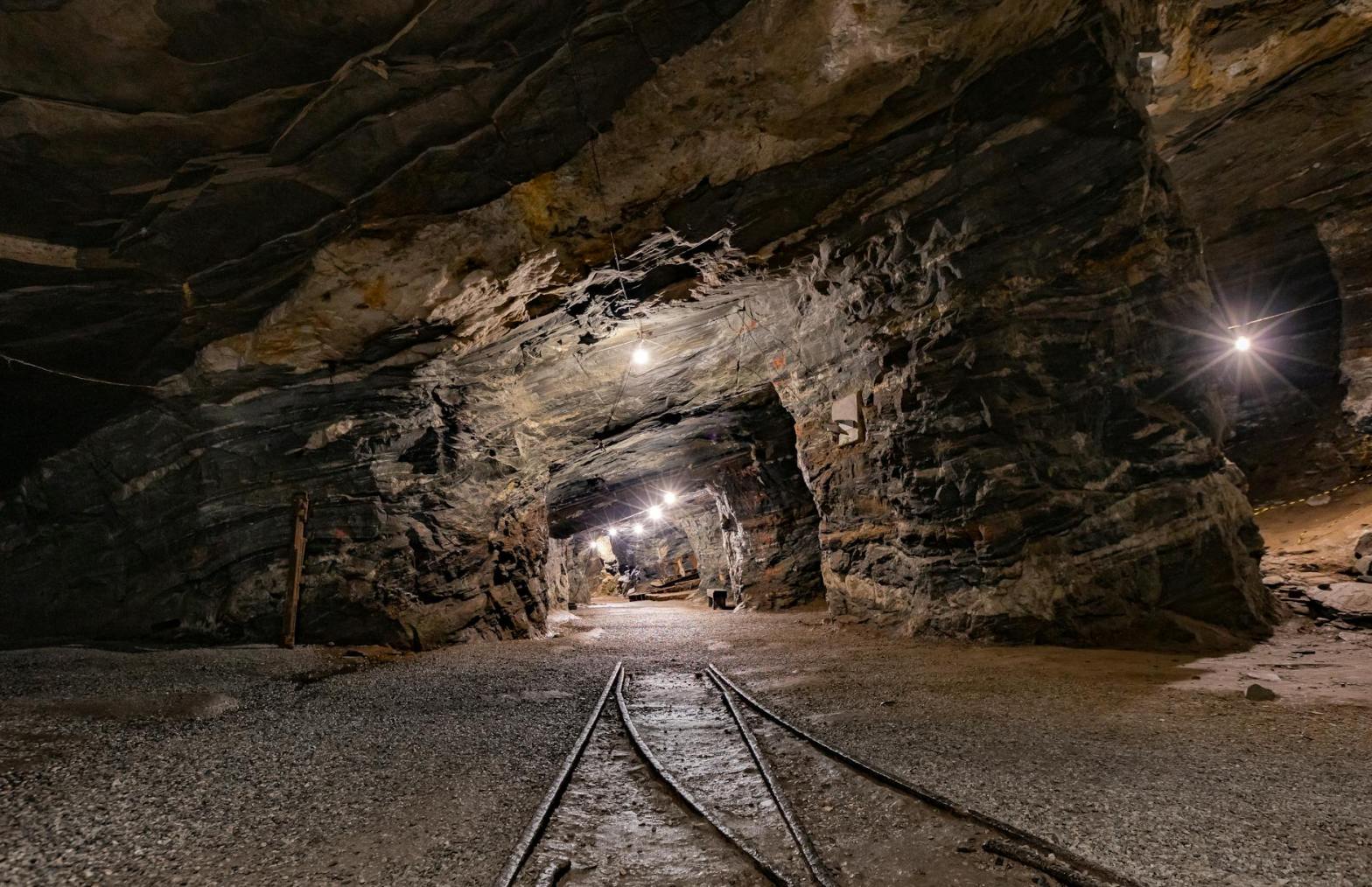
Meanwhile, the man who purchased Ali Hafed’s farm led his camel to drink from a garden stream one day. A flash of light caught his eye from the stream bottom. He reached down and pulled out a curious stone, admiring it as an interesting rock. He took it home and placed it on his mantel. When a visitor saw it, he recognized it immediately as a diamond. They began searching the property and found more. Ali Hafed’s farm turned out to be the Golconda diamond mine, one of the richest diamond mines in history. The man had owned acres of diamonds but sold them to search for diamonds elsewhere.
We face Ali Hafed’s choice every day. Where will we invest our time, energy, and resources? Will we build our security on what we can accumulate, or on who God is? The scriptures call this choice being “rich in good works” versus being rich in this world. One investment pays eternal dividends. The other leaves us searching in all the wrong places for what we already had within reach.
Psalm 91: Where Security Is Found
The psalm begins with a promise to those who dwell in the secret place of the Most High. This isn’t about physical location. It’s about where we look for protection. The psalmist piles up images: refuge, fortress, shield, buckler. Notice what’s absent from this list. No mention of strong walls, full barns, or healthy investment portfolios. The person who finds safety under God’s wings isn’t the one who has built the biggest nest egg. They’re the one who has learned to trust God as their true security. When we read this alongside the other passages, we see that those who are rich in good works are the ones who have stopped trusting uncertain riches and started trusting the God who gives us all things to enjoy.
Amos 6: Comfort Without Compassion
The prophet Amos confronts people who lie on beds of ivory and eat lambs from the flock while remaining unbothered by “the affliction of Joseph.” Their wealth has insulated them from the suffering around them. They have what money can buy: luxury, entertainment, the finest food and wine. What they lack is what money cannot buy: compassion for their brothers and sisters, awareness of their nation’s spiritual crisis, and concern for anything beyond their next banquet. Amos warns that their wealth will not protect them from coming judgment. They invested in comfort rather than in caring for others. They chose to be rich in this world rather than rich in good works. Their treasures will not follow them into exile.
Jeremiah 32: The Foolish Investment
Jeremiah sits in prison while enemy armies surround Jerusalem. Everything looks hopeless. In this moment, God tells him to buy a field. From any reasonable perspective, this is financial suicide. Why purchase land about to be conquered? But Jeremiah obeys, carefully documenting the transaction and storing the deed in a clay jar to preserve it for many days. This purchase declares something: God’s promises outlast present circumstances. Jeremiah invests in future restoration when the market screams that it’s worthless. This is what it looks like to be rich in good works. We invest our lives in God’s kingdom even when immediate returns seem unlikely. We trust God’s word over what our bank accounts tell us about security. We put our resources where our faith is. Jesus later tells a parable about a man who finds treasure hidden in a field and sells everything he has to buy that field. The man looked foolish to everyone watching, but he knew what others couldn’t see. Jeremiah’s purchase was the same. He exercised his right of redemption for a worthless field because he trusted God’s promise that houses and fields and vineyards would be possessed again in that land. He invested in what God was doing, not in what circumstances suggested.
Luke 16: The Great Reversal
Jesus tells of a rich man dressed in purple who feasted every day while Lazarus lay at his gate covered in sores. Both men die. Lazarus rests in Abraham’s bosom. The rich man finds himself in torment. When he begs for relief, Abraham reminds him: you received good things in your lifetime. Here’s what’s striking. Jesus doesn’t say the rich man was cruel to Lazarus. He simply ignored him. The rich man had Moses and the Prophets. He could have read Psalm 146 about God’s care for the afflicted. He could have heard Amos warn against living in luxury while others suffer. He had access to God’s word but didn’t let it shape how he used his wealth. Even a resurrection won’t convince someone who won’t listen to scripture. And Jesus, speaking these words, knows his own resurrection is coming. The rich man’s five brothers follow the same path he did. They too are rich in this world but poor toward God.
1 Timothy 6: Practical Instructions
Paul writes to Timothy with clear guidance for the wealthy. Don’t be arrogant. Don’t trust in uncertain riches. Instead, trust in God who richly provides everything for our enjoyment. Then comes the key phrase: be rich in good works. Paul isn’t against having money. He’s against money having us. The wealthy believers should be ready to distribute and willing to share, laying up treasure as a good foundation for the future. This is how we lay hold of eternal life. Not by earning salvation through generosity, but by demonstrating where our true citizenship lies. Paul points to Jesus Christ, the King of kings and Lord of lords, who will appear at the proper time. When Christ returns, what will matter is not how much we accumulated but whether we invested in his kingdom. Jesus himself embodied this pattern. He had nowhere to lay his head but was rich in good works, healing the sick, feeding the hungry, and ultimately purchasing our redemption with his own blood.
Psalm 146: The Song of True Riches
This psalm is the song of those who have discovered where true wealth lies. It opens with a declaration to praise the Lord and warns against trusting in princes, in mortals who cannot save. Their breath goes out, they return to the earth, and their plans perish with them. How different from the One who made heaven and earth, who keeps truth forever. The psalm then describes God’s character in action: executing judgment for the oppressed, giving food to the hungry, setting prisoners free, opening blind eyes, lifting up those who are bowed down, loving the righteous, watching over strangers, sustaining the fatherless and widow. This is who deserves our trust. Those who are rich in good works have aligned themselves with this God. They feed the hungry because God feeds the hungry. They care for widows because God cares for widows. They work for justice because God executes judgment for the oppressed. This is what it means to be truly wealthy. Not to hoard resources for ourselves, but to participate in what God is already doing in the world. The Lord reigns forever. His kingdom will not perish like the plans of princes. When we invest in his work, we invest in what lasts.
Living as Kingdom Investors
So what does this look like in practice? It starts with recognizing that everything we have comes from God and belongs to God. Our income, our homes, our retirement accounts—these are tools entrusted to us, not treasures we’ve secured for ourselves. When we grasp this, generosity stops being a sacrifice and becomes an investment strategy. We’re moving assets from temporary accounts to eternal ones.
This doesn’t mean we live recklessly or fail to provide for our families. Jeremiah still paid market price for his field and properly documented the deed. But it does mean our financial decisions should reflect our belief that God’s kingdom is more real than our spreadsheets suggest. When we see someone in need and have the means to help, we don’t calculate what we’ll get in return. We remember that we serve the God who executes judgment for the oppressed and gives food to the hungry.
The rich man’s tragedy wasn’t that he enjoyed good things. Abraham had wealth too. The tragedy was that the rich man’s wealth became a barrier between himself and both God and neighbor. He had Moses and the Prophets but didn’t listen. We have Moses and the Prophets and the Gospels and the Epistles. We also have the example of Jesus, who though he was rich, for our sake became poor, so that through his poverty we might become rich. Not rich in this world, but rich in good works. Not trusting uncertain riches, but trusting the God who proved his faithfulness by raising Jesus from the dead.
We face the same choice Ali Hafed faced. Will we abandon true riches right in front of us to search for treasure elsewhere? Will we, like the rich man and those Amos confronted, invest in comfort that won’t last? Or will we invest in kingdom work that echoes into eternity?
Points to Ponder
- Where do I actually find my sense of security? What would happen if that were taken away?
- Am I more like Jeremiah making a foolish investment in God’s promises, or like the rich man who ignored Lazarus at his gate?
- What “uncertain riches” am I tempted to trust instead of trusting God?
- If someone examined my calendar and bank statements, would they conclude I’m rich in this world or rich in good works?
- Who is the Lazarus at my gate? Who is right in front of me that I might be overlooking?
- What would it look like for me to align my resources with God’s character as described in Psalm 146?
- How does Jesus’s resurrection change my investment strategy for my life?
Prayer
Father, you are our refuge and fortress. Forgive us for the times we’ve sought security in what we can accumulate rather than in who you are. You execute judgment for the oppressed and give food to the hungry. Help us join that work rather than insulate ourselves from suffering around us.
Give us the faith of Jeremiah to invest in your kingdom even when circumstances suggest it’s foolish. Give us eyes to see the Lazarus at our gate. Keep us from having Moses and the Prophets and still refusing to listen.
Thank you for Jesus, the King of kings, who became poor so that we might become truly rich. Help us be rich in good works, ready to distribute, willing to share, laying up treasure as a good foundation for the time to come. Teach us to hold loosely what we cannot keep so we can gain what we cannot lose.
In Christ’s name, Amen.
“Charge them that are rich in this world, that they be not highminded, nor trust in uncertain riches, but in the living God, who giveth us richly all things to enjoy; That they do good, that they be rich in good works, ready to distribute, willing to communicate; Laying up in store for themselves a good foundation against the time to come, that they may lay hold on eternal life.” — 1 Timothy 6:17-19
 Josh Cehulik