
“Looking unto Jesus the author and finisher of our faith; who for the joy that was set before him endured the cross, despising the shame, and is set down at the right hand of the throne of God.” – Hebrews 12:2
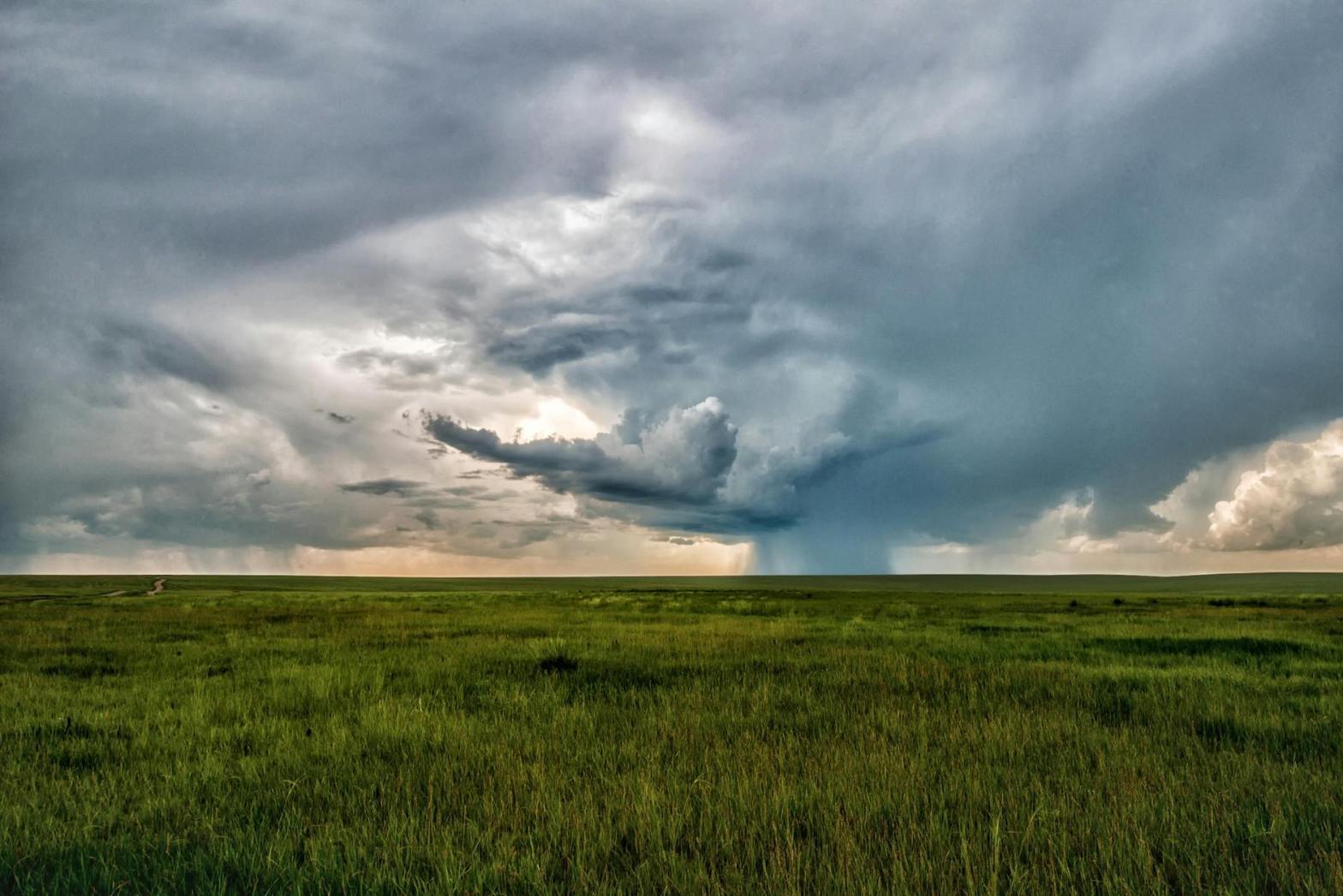
We live in an age of weather apps, radar maps, and five-day forecasts. Most people can tell you if it’s going to rain tomorrow, spot storm clouds on the horizon, or know when to pack an umbrella. We’re remarkably good at reading atmospheric pressure and predicting precipitation.
But Jesus once looked at a crowd of people who had mastered weather forecasting and said something startling: “Ye hypocrites, ye can discern the face of the sky and of the earth; but how is it that ye do not discern this time?” They could read clouds but couldn’t recognize that God’s kingdom had arrived in their midst.
This selective blindness runs throughout Scripture. God’s people consistently show an ability to notice some things clearly while missing others completely. They can see immediate threats but miss long-term purposes. They can identify problems but miss solutions standing right in front of them. They can remember past miracles but miss present ones.
But here’s the key diagnostic question: How do we know when we’ve missed the kingdom? The answer comes from God’s own measurement: when we’re producing “bloodshed and distress” instead of “justice and righteousness.” The kingdom isn’t hidden – it shows up in transformed lives and communities. The question for us today is the same: if we’re so good at reading the signs around us, why do we keep missing what God is actually doing?
Missing the True King (Psalm 82)
God’s people were excellent at recognizing earthly authorities. They could identify rulers, follow procedures, and navigate political systems. But Psalm 82 reveals what they were missing: the one true God “standeth in the congregation of the mighty; he judgeth among the gods.”
The diagnostic appears immediately: while they focused on human power structures, they ignored God’s standard for leadership – “Defend the poor and fatherless: do justice to the afflicted and needy.” They could read the political weather but completely missed that true authority serves the vulnerable.
When leaders produce oppression instead of justice, they reveal their spiritual blindness. They may wear the titles of gods, but “ye shall die like men, and fall like one of the princes.” The kingdom appears wherever justice flows down like waters – and disappears wherever it doesn’t.
When the Owner Sees What Tenants Don’t (Isaiah 5:1-7)
Here’s God’s kingdom diagnostic in full detail. The vineyard owner could see exactly what was wrong: wild grapes instead of good fruit, “bloodshed” instead of “judgment,” cries of distress instead of “righteousness.”
This wasn’t a problem with agricultural technique. This was a problem with spiritual eyesight. The tenants thought they were succeeding, but they were producing the exact opposite of what the owner wanted. They couldn’t see that their religious activity was generating oppression instead of justice.
This becomes the ultimate test for kingdom perception: What kind of fruit are we actually producing? Are our churches, families, and communities marked by justice and righteousness, or by bloodshed and distress? If we can’t see the difference, we’ve missed the kingdom entirely.
Distinguishing True Words from False (Jeremiah 23:23-29)
People in Jeremiah’s time could hear words clearly, but they couldn’t tell the difference between genuine prophetic words and “the deceit of their own heart.” The diagnostic test reveals itself: God’s word is “like fire” and “like a hammer that breaketh the rock in pieces.” True words from God don’t just inform – they transform hearts and produce justice.
False prophets may speak smooth words, but they leave communities unchanged. They may predict good weather, but they can’t produce the righteousness that marks God’s kingdom. When teachers fail to produce disciples who love justice and mercy, they reveal themselves as false forecasters.
The Master Meteorologist Arrives (Luke 12:49-56)
Jesus makes the weather/kingdom connection explicit while demonstrating perfect kingdom perception. He looks at people who have become weather experts and calls them “hypocrites” for their selective blindness.
But Jesus doesn’t just diagnose the problem – He brings the solution. He came to kindle the fire that transforms hearts and produces the fruit that Jeremiah described. His “baptism” on the cross would deal with the sin that produces bloodshed instead of justice, distress instead of righteousness.
The gospel would divide households because some people would finally develop kingdom eyesight while others remained stuck reading only earthly weather patterns. Those who receive Christ as Lord begin producing the fruit of the kingdom – and become the answer to His prayer: “Thy kingdom come.”
Those Who Saw What Others Missed (Hebrews 11:29-12:2)
The heroes of faith had one thing in common: they could see what others missed and lived accordingly. They “looked for a city which hath foundations, whose builder and maker is God” – and that vision transformed how they treated others.
Some received miraculous deliverances, others chose martyrdom, but all were “looking unto Jesus the author and finisher of our faith.” They saw the harvest coming even when the vineyard looked destroyed, and they lived as citizens of that coming kingdom.
Jesus is both “author and finisher” because He provides both the beginning and the end of the transformation. His cross dealt with the sin that produces wild grapes, and His resurrection proves the kingdom weather forecast is always accurate. Now He’s grafting believers from every nation into the vineyard, and they become the living demonstration that God will “inherit all nations.”
The Song of Perception (Psalm 80:1-2, 8-19)
Here we find someone who has learned to read both earthly conditions and kingdom realities correctly. The psalmist demonstrates the kind of integrated spiritual vision that produces hope even in devastation.
He can see the historical scope: God “brought a vine out of Egypt” and planted it with care. He can assess present reality honestly: the protective walls are broken, enemies are plundering, and the vineyard lies in ruins. But most importantly, he can perceive future hope: “Turn us again, O Lord God of hosts, cause thy face to shine; and we shall be saved.”
The psalmist even glimpses the coming Messiah: “Let thy hand be upon the man of thy right hand, upon the son of man whom thou madest strong for thyself.” He’s looking forward to the incarnation, trusting that God’s restoration will come through a specific person who will transform hearts and produce the fruit of justice.
This is ancient-future perception at its best. The psalmist looked ahead to Christ’s first coming, when the Son of Man would undergo His baptism and kindle the fire of the gospel. We look ahead to Christ’s return, when the Alpha and Omega will complete what He began. Both then and now, the key is recognizing that transformation comes through faith in Christ – and shows up in lives marked by justice and righteousness.
What This Means for Today
Here’s how we become the best spiritual meteorologists around: when we live out the core tenets of the gospel and declare this truth to others, we become part of the answer to Jesus’ prayer, “Thy kingdom come.” As the songwriter said, “Thy kingdom come, around and through and in me.”
The diagnostic remains the same: Are we producing justice and righteousness, or bloodshed and distress? Are our lives and communities marked by Christ’s character, or are we generating the same wild grapes that led to judgment?
This is the saving work of God in the heart of all who come in faith, repent of sin, and receive Christ as Lord. When the gospel transforms us, we stop producing the fruit of the flesh and start bearing the fruit of the Spirit. We become living proof that the kingdom has arrived – not just in word, but in power.
Like the psalmist, we can learn to see God’s historical faithfulness, present reality, and future promises all at the same time. We can develop discernment to distinguish God’s transforming word from empty religious talk. Most importantly, we can become the demonstration that God’s kingdom produces justice, mercy, and peace wherever it takes root.
Points to Ponder
- What fruit am I actually producing – justice and righteousness, or bloodshed and distress?
- How can I become a better “spiritual meteorologist” who recognizes and participates in kingdom work?
- Where do I need to repent and receive Christ’s transforming power more fully?
- How can my life become part of the answer to “Thy kingdom come”?
Prayer
Father, You have been working Your kingdom purposes throughout history, but we often miss what You’re doing. Forgive us for becoming experts at reading earthly signs while remaining blind to Your presence. Show us where we’ve been producing wild grapes instead of good fruit, bloodshed instead of justice, distress instead of righteousness. Transform our hearts through faith in Christ so that we become part of the answer to Jesus’ prayer, “Thy kingdom come.” Give us the spiritual eyesight of the psalmist, who could see Your past faithfulness, present reality, and future promises all at once. Help us recognize Jesus as both Alpha and Omega – the one who began this work and will complete it. May Your kingdom come around and through and in us, and may Your face shine on us so we can be saved. In Jesus’ name, Amen.
“Turn us again, O Lord God of hosts, cause thy face to shine; and we shall be saved.” – Psalm 80:19
 Josh Cehulik