
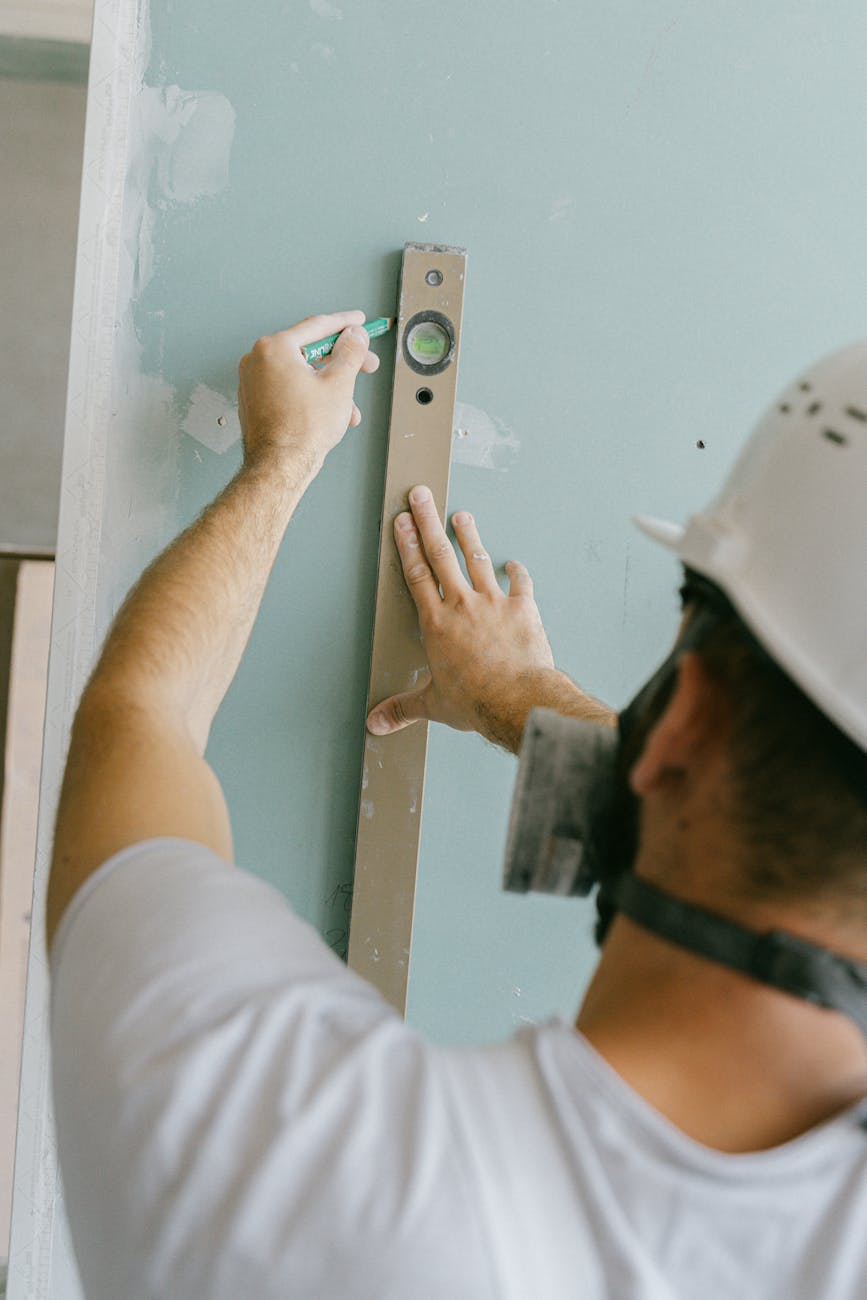
“And this is what He showed me: And behold, the Lord stood upon a wall made by a plumb line, with a plumb line in His hand.” – Amos 7:7
Have you ever found yourself going through the motions in worship? Standing when everyone stands, singing the familiar songs, saying the familiar prayers, all while your heart feels miles away from God? Or perhaps you’ve wrestled with what it means to truly follow Jesus when His way seems to conflict with established religious expectations around you. You’re not alone in this struggle. The tension between religious form and authentic relationship with God is as old as worship itself, and it’s precisely where God’s Word wants to meet us and transform us.
God holds a plumb line against our worship, measuring what truly matters to His heart. A plumb line is a simple tool that reveals whether a wall is straight and true. When God measures our worship with His plumb line, He looks past our external activities to examine the condition of our hearts and the authenticity of our love in action.
Today’s passages show us God’s plumb line in action, revealing the true standard for worship that honors Him and transforms us.
The Foundation of True Worship (Deuteronomy 30:9-14)
Before God can apply His plumb line, there must be a foundation. Moses reminds Israel that God’s commandments provide that foundation as intimate invitations to relationship. The law lives close to us: “But the word is very nigh unto thee, in thy mouth and in thy heart, that thou mayest do it.” This is revolutionary thinking. God desires heart-level transformation. The rituals and statutes serve as doorways into deeper communion with the living God.
When we approach worship with this understanding, every element (from communion to singing to prayer) becomes an opportunity for our hearts to engage with God’s heart. God’s plumb line first measures whether our worship is built on the solid foundation of His revealed truth, internalized and lived out in daily relationship with Him.
Building with the Right Posture (Psalm 25:1-10)
David models what it looks like when God’s plumb line measures our hearts and finds them aligned with His will: “Unto Thee, O Lord, do I lift up my soul. Show me Thy ways, O Lord; teach me Thy paths.” This prayer comes from someone who seeks more than surface-level religion. David understands that authentic worship requires ongoing surrender and a willingness to be shaped by God’s character rather than our own preferences.
Notice how David connects worship with ethics: those who walk in God’s ways are those who experience His guidance. This psalm shows us that God’s plumb line measures both our devotional life and our relational life. True worship creates people whose lives are built straight and true in both vertical relationship with God and horizontal relationships with others.
When the Plumb Line Reveals Problems (Amos 7:7-17)
Here we see God’s plumb line in dramatic action. Amos confronts our sinful condition: sometimes God’s measuring reveals that our worship has become crooked, no matter how established or comfortable it appears. The plumb line of God’s Word exposes the gap between Israel’s ritual correctness and their moral failure. Amos faces fierce opposition from the very religious establishment he’s called to address.
This passage reminds us that God’s plumb line measures whether our worship aligns with His character revealed in His Word. Sometimes the Spirit will call us to worship in ways that challenge cultural conditioning, whether that’s addressing injustice, extending mercy to outcasts, or simply prioritizing relationship over performance. When God’s plumb line reveals areas where our worship has become crooked, we face a choice: defend our traditions or submit to His correction.
The Plumb Line of Love in Action (Luke 10:25-37)
Jesus demonstrates God’s plumb line in action through the parable of the Good Samaritan. He redirects a lawyer’s question about eternal life from abstract theological debate to concrete worship in action. When God’s plumb line measures the priest and Levite, it finds them crooked despite their ritual correctness. When it measures the Samaritan, considered religiously unclean by Jewish standards, it finds him straight and true because he demonstrates costly love.
This parable centers our understanding of what God’s plumb line measures in worship. The question becomes whether we’ve allowed God’s love to flow through us to those who need it most. Sometimes, authentic worship means getting our hands dirty with mercy. God’s plumb line reveals that love in action matters more for eternity than our comfort.
The Perfect Plumb Line (Colossians 1:1-14)
Paul’s prayer for the Colossians reveals the ultimate standard by which God measures all worship: Jesus Christ Himself. Christ is “the image of the invisible God, the firstborn of every creature.” This means every aspect of worship (every song, prayer, and communion meal) finds its meaning in pointing us toward Jesus. Christ becomes God’s perfect plumb line against which all worship is measured.
Like a child who learns to relate to parents through family rituals and rules but eventually develops a relationship that goes far beyond those structured moments, our worship begins with forms and matures into intimate partnership with Christ. The worship traditions remain important to teach and guide expressions of devotion, and they serve the greater purpose of cultivating supernatural relationship. Ultimately, God’s plumb line measures whether our worship forms are creating Christ-likeness in us and through us.
Conclusion
God’s plumb line reveals that true worship is both structured and spontaneous, both traditional and transformational. It begins with humble submission to God’s revealed ways and leads to supernatural freedom in following Jesus wherever He calls. When God measures our worship with His plumb line, He looks for hearts that are aligned with His truth, lives that demonstrate His love, and communities that reflect His character.
As you navigate your own worship journey, remember that God’s plumb line is ultimately an act of grace. He doesn’t measure our worship to condemn us when we fall short, but to guide us toward the kind of authentic relationship with Him that transforms everything. Whether you’re singing ancient hymns or responding to a fresh call to mercy, whether you’re following established patterns or stepping out in faith-filled risk, allow God’s plumb line to measure your heart and guide your steps toward deeper communion with Christ.
Points to Ponder
- How has your understanding of worship evolved from salvation to now? What worship practices still serve you well, and where might God’s plumb line be revealing areas that need adjustment?
- When has following Jesus required you to act against cultural or religious expectations? How did God’s plumb line guide you in that experience?
- In what ways might God be calling you to embody love in action, even when it challenges your comfort zone or religious routine?
- How can you invite God’s plumb line to measure both your personal devotion and your relationships with others? What adjustments might He be calling you to make?
Prayer
Father, thank You for the gift of Your plumb line that measures our hearts with grace and truth. Help us to welcome Your examination of our worship, knowing that You desire to build us up straight and true. Give us the humility of David, the courage of Amos, the mercy of the Good Samaritan, and the Christ-centered vision of Paul. May our worship be both rooted in the truth of Your Word and responsive to Your Spirit’s leading. When Your plumb line reveals areas that need adjustment, give us grace to submit to Your correction. In Christ’s name, Amen.
“For by Him were all things created that are in heaven and that are in earth, visible and invisible, whether they be thrones or dominions or principalities or powers. All things were created by Him and for Him.” – Colossians 1:16
 Josh Cehulik