
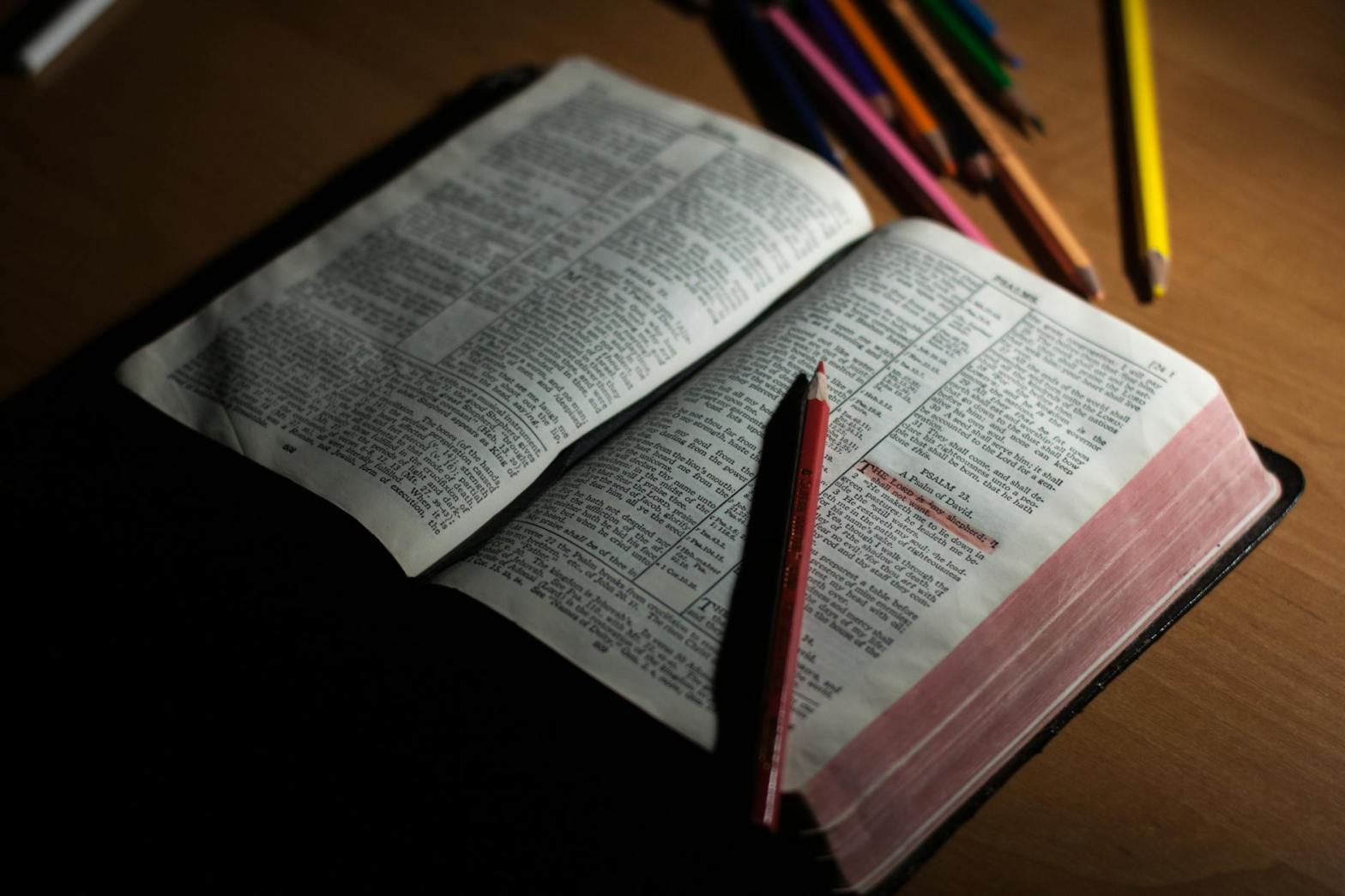
Many find themselves at a loss for words in a world fraught with political upheaval, economic uncertainty, and personal struggles. The weight of our circumstances can leave us feeling disconnected and despairing. Yet, as believers, we have a profound gift: the very words of God Himself. Through Scripture, liturgy, and the timeless prayers of the faithful, we are given a language that transcends our current trials and connects us to our true identity in Christ.
1. The Power of Divine Language
As we navigate the complexities of modern life, we often struggle to articulate our deepest fears, hopes, and longings. In these moments, the words God has gifted us become most precious. The Psalmist reminds us:
“The law of the Lord is perfect, reviving the soul; the testimony of the Lord is sure, making wise the simple.” (Psalm 19:7)
These divinely inspired words can reorient our perspective, aligning our hearts with God’s truth. As we immerse ourselves in the language of Scripture and liturgy, we find ourselves equipped with a vocabulary that speaks to the core of our being and the nature of our Creator.
2. Liturgy as a Centering Force
The liturgical traditions of the Church provide a rich tapestry of language that has sustained believers for centuries. These carefully crafted prayers and responses serve as anchors, grounding us in the unchanging truths of our faith amidst the shifting sands of culture.
Consider the words of the Apostles’ Creed:
“I believe in God, the Father almighty, creator of heaven and earth. I believe in Jesus Christ, his only Son, our Lord…”
As we recite these ancient words, we join our voices with countless believers across time and space, affirming our place in the grand narrative of God’s redemptive work.
Thomas Cranmer, architect of the Book of Common Prayer, understood the profound impact of liturgical language on the believer’s soul:
“For it is not enough to hear the word of God, but we must also desire it and work thereafter.”
3. Praying the Scriptures
When our words fail us, the Scriptures provide a wellspring of divinely inspired language to express our deepest emotions and longings. The book of Psalms, in particular, offers a rich vocabulary for every human experience – from exultant praise to desperate lament.
In times of distress, we can cry out with the Psalmist:
“Out of the depths I cry to you, O Lord! O Lord, hear my voice! Let your ears be attentive to the voice of my pleas for mercy!” (Psalm 130:1-2)
And in moments of joy, we can declare:
“Oh come, let us sing to the Lord; let us make a joyful noise to the rock of our salvation!” (Psalm 95:1)
4. Remembering Our Identity
As believers become increasingly “strangers and pilgrims” (1 Peter 2:11) in a world that often feels hostile to faith, it’s crucial to remember our true identity in Christ. The language of Scripture and liturgy continually reminds us of who we are and whose we are.
The words of baptismal liturgy powerfully affirm this identity:
“I baptize you in the name of the Father, and of the Son, and of the Holy Spirit. You are sealed by the Holy Spirit in baptism and marked as Christ’s own forever.”
These words echo through our lives, reminding us of our unshakeable status as children of God.
5. Proclaiming God’s Character
In times of uncertainty, we can find solace in proclaiming the unchanging character of God. The ancient hymn of praise, the Te Deum, beautifully encapsulates this:
“We praise thee, O God: we acknowledge thee to be the Lord. All the earth doth worship thee: the Father everlasting.”
As we speak these words, we reaffirm the sovereignty and goodness of God, even when circumstances might tempt us to doubt.
6. Hope in the Eschatological Future
The language of liturgy and Scripture constantly points us toward the hope of Christ’s coming kingdom. This eschatological focus provides perspective and encouragement in the face of present trials.
The words of the Eucharistic prayer remind us of this future hope:
“Christ has died. Christ is risen. Christ will come again.”
In these simple phrases, we proclaim the entirety of the Gospel and fix our eyes on the glorious future that awaits us.
7. Immersion in Kingdom Language
We must immerse ourselves in the language of God’s kingdom to combat discouragement and maintain our distinctive identity as “a chosen race, a royal priesthood, a holy nation” (1 Peter 2:9). This means not only reading Scripture but allowing its words to shape our thoughts, prayers, and interactions.
Dietrich Bonhoeffer emphasized the importance of praying the words of Scripture:
“The richness of the Word of God ought to determine our prayer, not the poverty of our heart.”
Conclusion:
In a world where words often fail us, God has graciously gifted us His own. Through the liturgy, prayers, and songs of Scripture, we are given a language that centers us, reminds us of our identity, proclaims God’s character, and points us to our hope in Christ’s coming kingdom. As we face the challenges of being “peculiar people” in an often hostile world, let us take comfort and find strength in the words our Maker and Sustainer have provided.
May we echo the sentiment of Augustine, who wrote:
“You have made us for yourself, O Lord and our heart is restless until it rests in you.”
Let us immerse ourselves in the rich language of our faith, allowing it to shape our worship, prayers, and very lives. In doing so, we not only find the words we need but also draw ever closer to the Word made flesh, Jesus Christ our Lord.
 Josh Cehulik